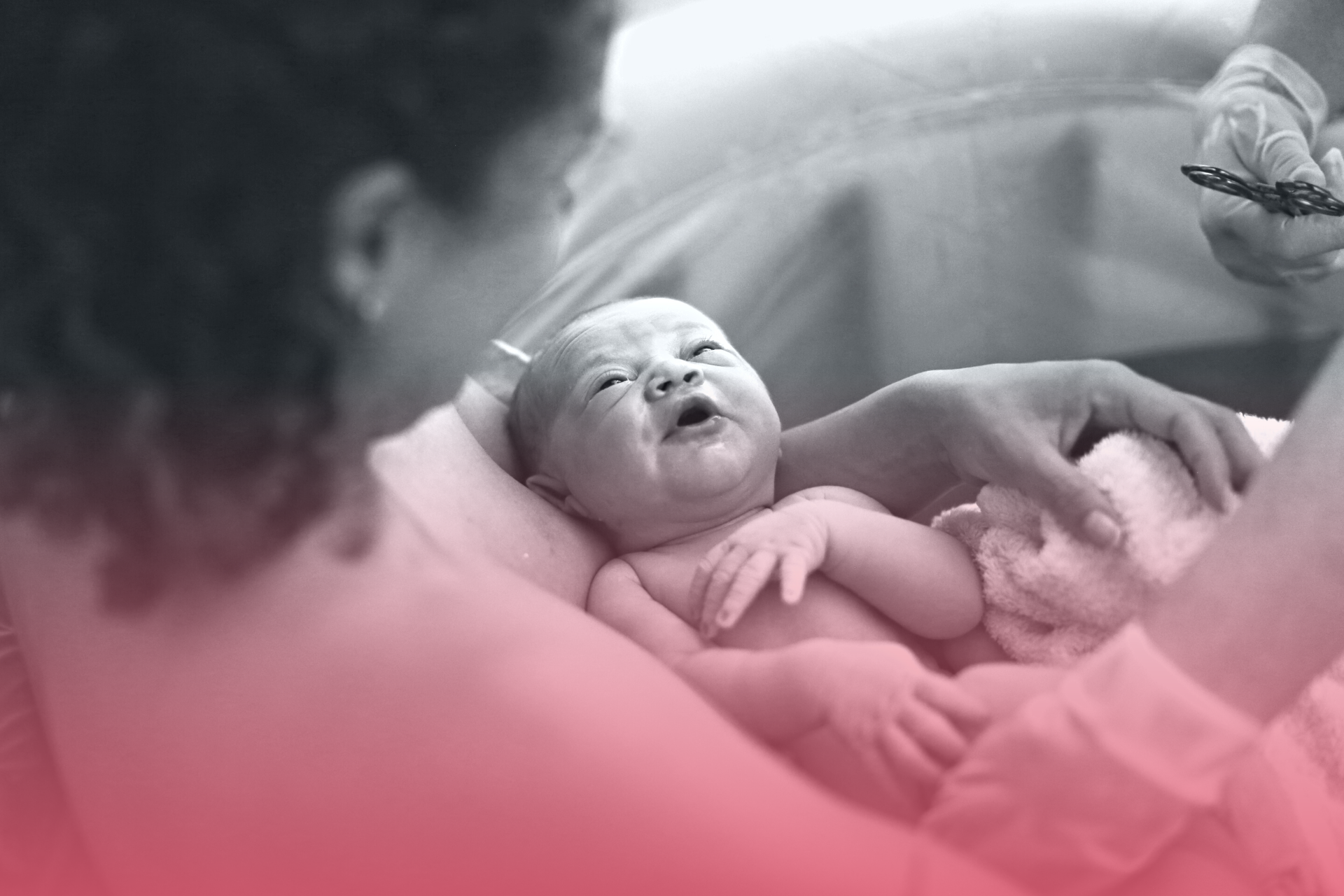
A natural birth is better for a baby due to several reasons. Firstly, it allows the baby to develop more naturally, by allowing the baby to pass through the birth canal, which helps to stimulate the baby’s respiratory, digestive, and circulatory systems. Secondly, natural birth helps the baby to establish an early bond with the mother, which helps to facilitate a healthy attachment. Thirdly, natural birth can reduce the risk of complications, since there is no risk of infection with a natural birth. Finally, natural birth can reduce the risk of postpartum depression, since the mother will have a natural connection to the baby, as opposed to a medical procedure that may be more difficult to bond with. All of these factors contribute to a healthier and more natural birth experience for the baby, which can lead to a healthier and happier life for the baby.
- 1
Reduced risk of infection for baby.
When baby is passing through the birth canal naturally, it helps to reduce the chances of exposure to any potential pathogens. The birth canal also helps to stimulate the baby‘s respiratory, digestive, and circulatory systems, which helps to reduce the risk of any infections that could be caused by assisted delivery. The mother’s body is also able to create natural antibodies that can help to fight off any potential infections, further reducing the risk of any infections occurring.
- 2
Reduced need for medical interventions.
During a natural birth, the mother’s body is better able to cope with the demands of labor and delivery. The hormones released during labor help to relax the muscles and reduce the pain, making it easier for the mother to give birth. The baby is also able to pass through the birth canal more easily, which can reduce the risk of complications. Additionally, the baby’s respiratory, digestive, and circulatory systems are able to get a headstart due to the stimulation that occurs during natural birth, which can reduce the need for medical interventions.
- 3
Increased bonding between Mom and Baby.
There is increased bonding between mom and baby during a natural birth because the mother is able to be more involved in the birthing process, which helps to create a stronger bond. Pain medication can make mom and baby feel “out of it” and can make mom feel disconnected and not fully present during the birth. With a natural birth, mom is able to experience the physical sensations of labor and delivery, which can help her to connect more deeply to the baby and create a more intimate bond. Additionally, the baby is able to hear the mother’s voice and feel the warmth of her body during the natural birthing process, which can further increase the bonding between the two.
- 4
Reduced risk of birth trauma for Baby.
Natural childbirth reduces the risk of birth trauma for a baby because it allows the baby to be born more slowly and gently. This is due to the mother being in control of the birthing process and being able to push in an upright position, which allows gravity to help the baby slowly move down the birth canal. This reduces the amount of pressure on the baby’s head and body, which can cause injury or trauma. Additionally, natural childbirth typically does not involve the use of forceps or vacuum extraction, which can also cause trauma to the baby.
- 5
Reduced risk of shoulder dystocia for Baby.
Shoulder dystocia occurs when the baby’s shoulder gets stuck behind the mother’s pubic bone during delivery. This can be a serious medical emergency in which the baby does not receive enough oxygen. Natural childbirth involves the mother pushing the baby out, which can help to reduce the risk of shoulder dystocia. The pushing helps to move the baby away from the pubic bone and into the birth canal, allowing the baby to be born more easily. Additionally, the contractions and relaxation of the pelvic floor muscles during natural childbirth can help to make the birth process smoother and easier, reducing the risk of shoulder dystocia.
- 6
Reduced risk of respiratory distress syndrome for Baby.
Natural childbirth reduces the risk of respiratory distress syndrome (RDS) in a baby because it allows the baby to be exposed to the mother’s hormones during birth, which helps them to mature their respiratory system and helps the baby to more easily transition to breathing on their own without the need for medical intervention. Natural childbirth also allows the baby to be exposed to the mother’s beneficial bacteria, which helps to strengthen the baby’s immune system and can protect them from developing RDS.
- 7
Improves healthy gut flora for baby.
During a natural birth, the baby is exposed to bacteria in the mother‘s birth canal, which helps the baby develop healthy gut flora. The bacteria in the mother‘s birth canal help to protect the baby from harmful bacteria that could cause infections. With medical interventions such as c-sections, the baby is not exposed to the same bacteria and therefore is not able to develop a healthy gut flora. Babies born through natural childbirth are given an advantage in their gut health due to the beneficial bacteria they are exposed to in the mother’s birth canal. This bacteria is essential for developing a strong immune system and aiding in the digestion process.
- 8
Reduced risk of jaundice for Baby.
Jaundice is caused by a buildup of bilirubin, a yellow-colored byproduct of red blood cells that is normally processed by the liver and excreted in the bile. During childbirth, the baby is exposed to a large amount of stress which causes the red blood cells to break down more quickly than usual, resulting in an increased level of bilirubin in the baby’s body. Natural childbirth, in which the baby is born without the assistance of drugs or forceps, allows the baby to adjust to the stress of birth more gradually, resulting in a lower level of bilirubin in the baby’s body and a reduced risk of jaundice.
- 9
Reduced risk of birth defects for Baby.
Natural childbirth does not involve the use of any medications or other interventions, which can reduce the risk of certain birth defects for a baby. During labor and delivery, the baby is exposed to fewer environmental toxins, and the mother’s body is better able to respond to the baby’s needs. Natural childbirth also provides a gentler transition for the baby from the uterus to the outside world, which can also reduce the risk of birth defects.
- 10
Better breastfeeding after delivery.
After natural childbirth, the hormones released during the birthing process can help the mother’s body to produce more oxytocin and prolactin, two key hormones that are necessary for the production of breastmilk. Oxytocin helps the mother’s body to produce milk, and prolactin helps to increase the amount of milk produced. Making the first few minutes and hours just after birth the most important time for establishing a breastfeeding relationship.
Narcotic pain medications and epidurals can impact the success of breastfeeding. La Leche League International notes that these substances can cause the baby and/or mother to be sleepy and less alert, which can delay the first nursing. The baby’s ability to suck, swallow, and breathe may be compromised, as well as their rooting and sucking reflexes. Natural childbirth often helps the mother to be more relaxed and better able to focus on the task of breastfeeding. This can help to ensure successful and healthy breastfeeding.
- 11
Improved brain development for baby.
Natural birth has been found to provide better brain development for babies because it allows the baby to experience the normal physiological process of labor and delivery. This process stimulates the production of hormones, including oxytocin, that facilitates the development of the baby’s brain. Oxytocin helps to activate the brain and is responsible for the formation of crucial neural pathways. Additionally, natural birth can reduce the risk of potential trauma to the baby, which can have a negative effect on the baby’s brain development.
Finally, a study conducted by researchers revealed that during a natural birth, a protein known as UCP2 is released in the newborn’s brain, which aids the development and function of the brain in adulthood. This protein is triggered when the baby passes through the birth canal, stimulating the hippocampus. In contrast, babies born via cesarean section may have a diminished expression of this same protein. Furthermore, it has been suggested that the triggering of UCP2 during natural birth helps the baby transition to breastfeeding. This may explain why cesarean babies and their mothers often struggle more with breastfeeding.
- 12
Improved fine motor and social skills for baby.
Natural birth is thought to have a positive effect on a baby’s development. This is because the baby has to make more physical and mental effort to pass through the birth canal and make their way into the world, which is thought to stimulate nerve connections in the baby’s brain, leading to better fine motor and social skills. Natural birth also releases hormones in the mother and baby, including oxytocin and endorphins, which are thought to help with bonding and promote better fine motor and social skills. Additionally, the physical contact between mother and baby during a natural birth can help to promote better social and communication skills.
Delayed cord clamping is also thought to improve a baby’s fine motor and social skills. This is because delayed cord clamping allows more oxygen and nutrients to be transferred from the placenta to the baby, which may help to support the development of the baby‘s brain. Additionally, delayed cord clamping also helps to improve the baby‘s iron levels, which is important for the development of the baby‘s nervous system. This, in turn, can help to improve the baby‘s fine motor and social skills. All of these physical and mental benefits are thought to help a baby develop better fine motor and social skills than those born with medical intervention.